
Something's changed in your analytics dashboard. Traffic patterns don't make sense anymore. Those content strategies that worked reliably for years? They're flattering. This isn't a seasonal dip or algorithm tweak. We're watching a fundamental shift in how people find and consume information online.
The culprit has a name: AI-powered search. And it's rewriting the rules faster than most businesses can adapt.
The Decline of Traditional SEO: What the Data Shows
Traditional search traffic is declining across many industries. People are increasingly turning to ChatGPT, Perplexity, and Google's AI Overviews instead of clicking through to websites. The shift is measurable and accelerating.

Zero-click searches have become the norm. AI systems provide direct answers without requiring users to visit your site. This fundamentally changes the value proposition of content marketing. You're no longer just competing for clicks. You're competing for citations, mentions, and visibility within AI-generated responses.
How AI Search Engines Work Differently Than Google
Traditional search engines match keywords and rank pages based on links, relevance signals, and hundreds of other factors. They present a list of blue links. Users click, browse, and evaluate.
AI search engines work differently. They retrieve information from multiple sources, synthesize it, and generate a coherent answer. They don't just find content. They understand it, extract key points, and reformulate information in response to natural language queries.

This means your content needs to be structured for extraction, not just discovery. Clear statements, well-organized information, and authoritative sources matter more than keyword density or backlink profiles (though those still help).
The Rise of Zero-Click Searches and What It Means for Your Brand
Here's the uncomfortable truth: many users will never visit your website. They'll get their answer from an AI system and move on. So why bother creating content at all?
Because visibility still matters. When AI systems cite your brand, mention your research, or reference your expertise, you're building authority. You're staying top-of-mind. And when users do need more depth or want to make a purchase, they'll remember which brands the AI trusted.
Think of it as brand building through AI intermediaries. You're not optimizing for clicks anymore. You're optimizing for influence and credibility within the AI ecosystem.
Key AI Search Platforms You Need to Optimize For in 2026
The AI search landscape includes several major players, each with different strengths and user bases:
- Google AI Overviews: Still the largest reach, appearing at the top of traditional Google searches
- ChatGPT Search: Growing rapidly among professionals and researchers who want conversational interactions
- Perplexity: Focused on providing sourced, citation-heavy answers with transparency
- Microsoft Copilot: Integrated across Microsoft products, reaching enterprise users
- Voice assistants: Alexa, Siri, and Google Assistant continue evolving with better AI capabilities
Each platform has different preferences for content structure, sourcing, and presentation. A successful ai content marketing strategy requires understanding these nuances.
The Fundamentals of AI Content Marketing: Core Principles for 2026
Traditional SEO focused on keywords, links, and technical optimization. AI content marketing requires a different mindset. You're writing for systems that actually understand meaning, context, and authority signals.
GEO-First Content Strategy: Generative Engine Optimization Explained
Generative Engine Optimization (GEO) is the practice of creating content specifically designed for AI systems to extract, cite, and reference. It's not about gaming algorithms. It's about making your expertise accessible to AI in ways that traditional SEO never addressed.
All new content production must adopt a GEO-first approach from inception. This means structuring information clearly, providing definitive statements, including proper citations, and organizing content in ways that AI systems can easily parse and understand.
The shift requires rethinking content creation workflows. You can't just optimize existing content for AI. You need to build AI-readiness into your content strategy from the start.
E-E-A-T in the AI Era: Building Authority That AI Systems Trust
Experience, Expertise, Authoritativeness, and Trustworthiness (E-E-A-T) have always mattered for Google. They matter even more for AI systems that need to evaluate source credibility when synthesizing information.
AI systems look for signals like author credentials, publication history, citations from other authoritative sources, and consistency of information across multiple sources. They're surprisingly good at detecting thin content, recycled information, and unsubstantiated claims.
Building E-E-A-T for AI means demonstrating real expertise through original research, first-hand experience, and substantiated claims. Generic content doesn't cut it anymore.
Structured Data and Schema Markup for AI Discoverability
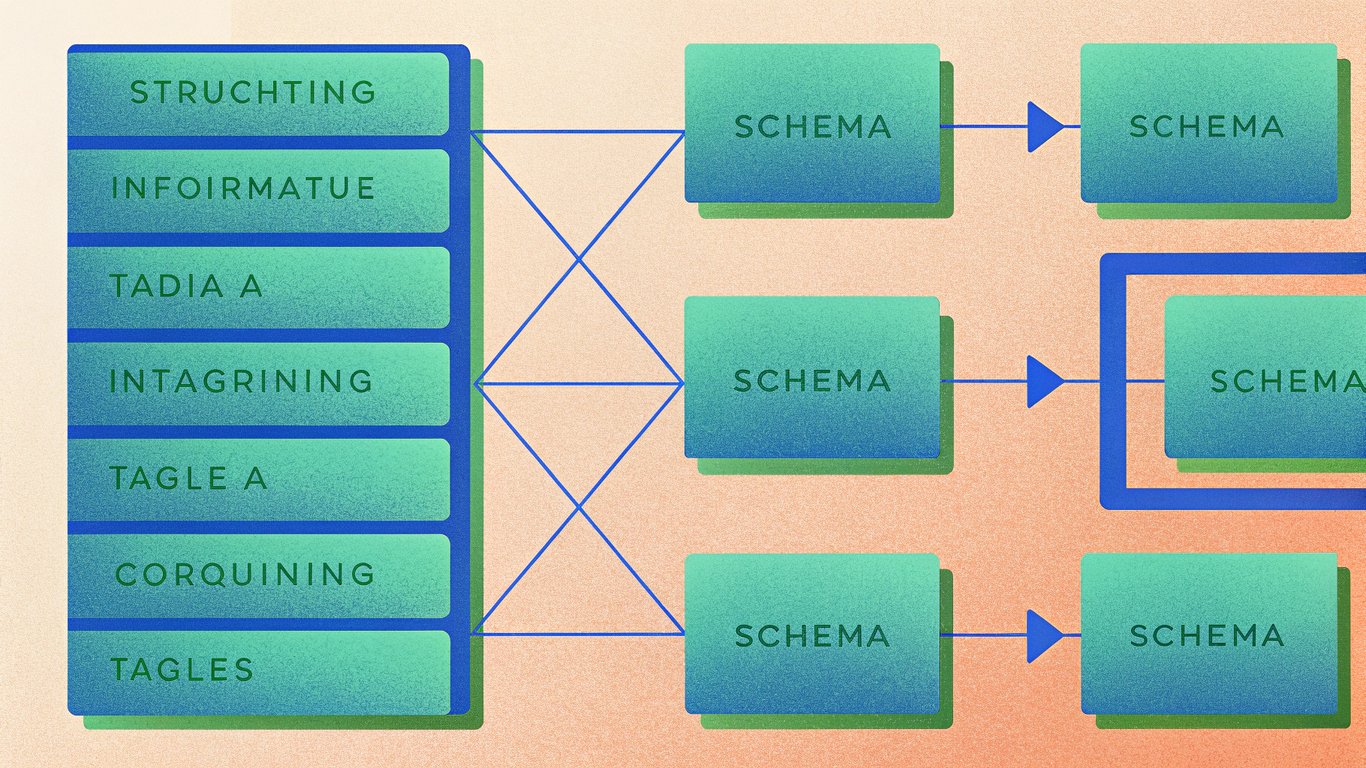
Schema markup helps AI systems understand your content's structure and meaning. While it's been around for years, its importance has increased dramatically with AI search.
Key schema types for AI discoverability include Article, FAQPage, HowTo, Product, Review, and Organization schemas. These provide explicit signals about content type, authorship, publication dates, and relationships between different pieces of content.
Implementation doesn't need to be complex. Many content management systems support schema markup through plugins or built-in features. The key is consistency and accuracy.
The Conversational Content Framework
People ask AI systems questions in natural language. They don't type keywords. They have conversations. Your content needs to match this conversational pattern while maintaining professional credibility.
This means structuring content around questions and answers, using clear headings that mirror how people actually ask questions, and providing direct, quotable answers that AI systems can extract and cite.
Designing Your AI-Optimized Content Program: Strategic Framework
Building an effective ai content marketing program requires more than just writing better content. You need a systematic approach to research, creation, distribution, and measurement.
Conducting AI Search Intent Research
Start by understanding what questions your audience actually asks AI systems. This is different from traditional keyword research. You're looking for conversational queries, not search terms.
Test queries in multiple AI platforms. See how they currently answer questions in your domain. Identify gaps where AI systems provide incomplete or inaccurate information. These gaps represent opportunities for your content to become the authoritative source.
Content Audit for AI Readiness: Evaluating Your Existing Assets
Your existing content probably wasn't created with AI search in mind. That's okay. An audit helps you identify which pieces can be optimized and which need complete rewrites.
Look for content that already has strong authority signals, clear structure, and definitive statements. These pieces are good candidates for AI optimization. Content that's vague, poorly structured, or lacks clear expertise probably needs more substantial work.
Building Your AI Content Taxonomy and Topic Clusters
AI systems understand relationships between topics. They recognize when content is part of a comprehensive knowledge base versus isolated articles. This makes topic clustering more important than ever.
Organize content around core themes with supporting subtopics. Create clear internal linking structures that help AI systems understand how pieces relate to each other. Think of it as building a knowledge graph that AI can navigate and reference.
Creating a Multi-Format Content Strategy
Different AI platforms prefer different content formats. Some work better with long-form guides. Others excel at extracting information from structured FAQs or data tables.
A comprehensive strategy includes multiple formats: in-depth guides, quick-reference FAQs, data-driven research, case studies, and conversational explainers. Each format serves different user intents and AI extraction patterns.
Setting KPIs and Metrics for AI Search Success
Traditional metrics like organic traffic and rankings don't tell the full story anymore. You need new KPIs that reflect AI search performance:
- Citation frequency in AI-generated responses
- Brand mentions in AI answers across different platforms
- Visibility in AI Overviews and featured positions
- Quality of traffic from AI referrals (even if volume is lower)
- Authority signals like backlinks from AI-cited sources
Traditional metrics like organic traffic and rankings don't tell the full story anymore. You need new KPIs that reflect AI search performance:
Content Creation Best Practices for AI Search Optimization
Creating individual pieces of content for AI search requires specific techniques that differ from traditional SEO writing. These aren't tricks or hacks. They're about making your expertise more accessible to AI systems.
Writing for AI Extraction: Structure and Formatting Techniques
AI systems extract information more easily from well-structured content. Use clear headings that directly state what the section covers. Keep paragraphs focused on single ideas. Use bullet points for lists and comparisons.
Start sections with direct answers before providing context or explanation. This answer-first structure makes it easy for AI to extract the key point while still providing depth for human readers who want more detail.
The Art of Citeable Content: Creating Quotable, Authoritative Statements
AI systems look for definitive, quotable statements they can cite with confidence. Vague language and hedging reduce your chances of being cited.
When you have expertise and data to back it up, state things clearly and directly. Include specific numbers, timeframes, and concrete examples. Attribute claims to credible sources when appropriate. This gives AI systems the confidence to cite your content.
Optimizing for Featured Snippets and AI Overviews
Google AI Overviews often pull from content that would have appeared in featured snippets. The optimization techniques overlap significantly: concise answers, clear formatting, and authoritative sources.
Structure content to answer specific questions within 40-60 words when possible. Use tables for comparisons. Include step-by-step instructions for how-to content. These formats work well for both featured snippets and AI extraction.
Natural Language Optimization: Writing Conversationally Without Sacrificing Authority
There's a balance between conversational tone and professional credibility. You want content that sounds natural when read aloud (because voice search matters), but you can't sacrifice accuracy or authority.
Use contractions and personal pronouns. Write in active voice. Vary sentence length. But maintain precision in your claims and back up statements with evidence. Conversational doesn't mean casual or imprecise.
Incorporating Primary Sources and Original Research
Original research and primary data are increasingly valuable for AI citation. When you publish unique insights, case studies, or data analysis, you become the primary source that AI systems reference.
This doesn't require massive research budgets. Customer surveys, usage data analysis, expert interviews, and original testing all count as primary research. The key is providing information that doesn't exist elsewhere.
Technical Optimization Checklist for Every Piece of Content
Before publishing any content, verify these technical elements:
- Appropriate schema markup implemented correctly
- Clear, descriptive meta titles and descriptions
- Proper heading hierarchy (H1, H2, H3) without skipping levels
- Internal links to related content using descriptive anchor text
- Fast page load times and mobile optimization
- Author information and credentials clearly displayed
- Publication and update dates visible
- Citations and sources properly linked
Platform-Specific Optimization Strategies
Different AI platforms have different preferences and algorithms. While core principles apply across platforms, understanding platform-specific nuances helps maximize visibility.
Google AI Overviews Optimization
Google AI Overviews tend to favor content from established, authoritative domains. They pull from multiple sources to create comprehensive answers, so you don't need to cover everything in one piece.
Focus on being the best source for specific aspects of a topic rather than trying to be comprehensive on everything. Clear, well-structured answers to specific questions perform well.
ChatGPT Search Optimization
ChatGPT Search emphasizes recent, well-sourced content with clear attribution. It tends to cite sources explicitly, making proper citation formatting important.
Content depth matters here. ChatGPT often pulls from longer, more comprehensive pieces that demonstrate expertise. Surface-level content gets cited less frequently.
Perplexity and Answer Engine Optimization
Perplexity prioritizes transparency and source quality. It shows users exactly where information comes from, making source credibility critical.
Content that includes data, statistics, and specific facts tends to perform well. Perplexity users often want detailed, researched answers rather than general overviews.
Measuring, Analyzing, and Iterating Your AI Content Program
You can't improve what you don't measure. AI content marketing requires new measurement approaches and continuous iteration based on performance data.
Essential Tools for Tracking AI Search Performance
The tooling landscape for AI search measurement is still developing. Some approaches include manually testing queries in different AI platforms, using brand monitoring tools to track mentions in AI responses, and analyzing referral traffic patterns from AI sources.
Traditional SEO tools are adding AI search tracking features. Keep an eye on updates from platforms like Ahrefs, Semrush, and others as they adapt to the changing landscape.
Creating Your AI Content Marketing Dashboard
Build a dashboard that tracks both traditional and AI-specific metrics. Include organic traffic trends, AI citation frequency, brand mention volume, and quality indicators like time on site and conversion rates from AI referrals.
The goal isn't just tracking numbers. It's understanding which content types, topics, and optimization approaches drive the best results for your specific audience and business goals.
Future-Proofing Your Content Strategy: What's Next for AI Search
AI search will continue evolving rapidly. The platforms, algorithms, and user behaviors we see today will probably look different in six months. Building a future-proof strategy means focusing on fundamentals that transcend specific platforms.
Balancing AI Optimization with Human-First Content
The best ai content marketing strategies serve both AI discovery and human engagement. Don't sacrifice content quality or user experience for AI optimization. The two goals should complement each other.
Content that genuinely helps people will naturally perform well with AI systems. Focus on expertise, clarity, and value. The technical optimization should enhance great content, not compensate for mediocre content.
Your 90-Day AI Content Marketing Implementation Plan
Getting started doesn't require a complete content overhaul. Here's a practical 90-day roadmap:
Days 1-30: Audit your existing content for AI readiness. Test key queries in multiple AI platforms. Identify your top 10 pieces of content and optimize them for AI extraction. Implement proper schema markup across your site.
Days 31-60: Develop platform-specific optimization strategies. Create new content using GEO-first principles. Build topic clusters around your core expertise areas. Start tracking AI citation metrics.
Days 61-90: Analyze performance data. Identify what's working and what isn't. Refine your approach based on results. Scale successful tactics across more content. Train your team on AI content best practices.
The shift to AI search is happening whether we're ready or not. But with the right strategy, it's an opportunity to build stronger authority, reach new audiences, and create content that actually helps people. That's what ai content marketing is really about.