
Something fundamental changed in how people find information online. Google's AI Mode doesn't show you a list of websites anymore. It just answers your question directly. ChatGPT does the same thing. And if your content isn't structured the right way, these AI systems will skip right over it.
This isn't about gaming algorithms or stuffing keywords. It's about understanding how AI agents actually read, evaluate, and select content to cite. The businesses that figure this out now will dominate visibility in 2025 and beyond.
The Death of the '10 Blue Links' Era
Remember when SEO meant ranking in the top three results? That playbook is dead. Google's AI Mode, powered by Gemini 2.5 Pro, synthesizes answers directly in the search box. Users don't click through to websites anymore. They get their answer right there.
The shift happened fast. One day we're optimizing for click-through rates. The next day, clicks don't matter because AI is reading our content and repackaging it for users. Your traffic numbers might look fine today, but if AI systems aren't selecting your content as a source, you're building on sand.

What AI Summarizers Look For
AI agents evaluate content differently than traditional search algorithms. They're looking for clarity, structure, and authority. Can they extract a clean answer? Is the information presented in a way that's easy to parse? Does the source seem reliable?

Think about it from the AI's perspective. It needs to give users accurate information quickly. So it gravitates toward content that makes its job easier. Direct statements. Clear formatting. Verifiable facts. If your content is buried in flowery language or vague generalizations, the AI will move on to something more useful.
From SEO to GEO: Understanding Generative Engine Optimization
Generative Engine Optimization (GEO) is the new framework for content visibility. Instead of optimizing for rankings, you're optimizing for citation. Instead of targeting keywords, you're targeting the questions AI systems need to answer.
The core difference? SEO focused on getting users to click your link. GEO focuses on getting AI to quote your content as the authoritative source. Both matter, but GEO is becoming the primary driver of brand visibility in AI-powered search.
Structure Content for Maximum Retrievability
AI systems can't cite what they can't parse. Your content structure determines whether an AI agent can extract useful information or just skips to the next source. Here's how to make your content retrievable.
Lead with Direct, Concise Answers
Put your main answer in the first 50-100 words. Not buried in paragraph three. Not after a long introduction. Right at the top. AI summarizers often pull from the opening section because that's where the core information typically lives.
If someone asks "What is GEO?", your content should answer that question in the first sentence or two. Then you can expand with context, examples, and details. But the direct answer comes first. Always.
Use Question-Based Headers and Subheadings
Headers like "How Does AI Select Content?" or "What Makes Content Citable?" match natural language queries. AI systems use these headers as navigation points to find relevant sections. They're essentially signposts that say "the answer to this specific question is right here."
Compare that to vague headers like "Our Approach" or "Key Considerations." Those don't tell the AI anything useful. Question-based headers create a direct connection between user queries and your content sections.
Create 'Quick Snapshot' Summary Blocks
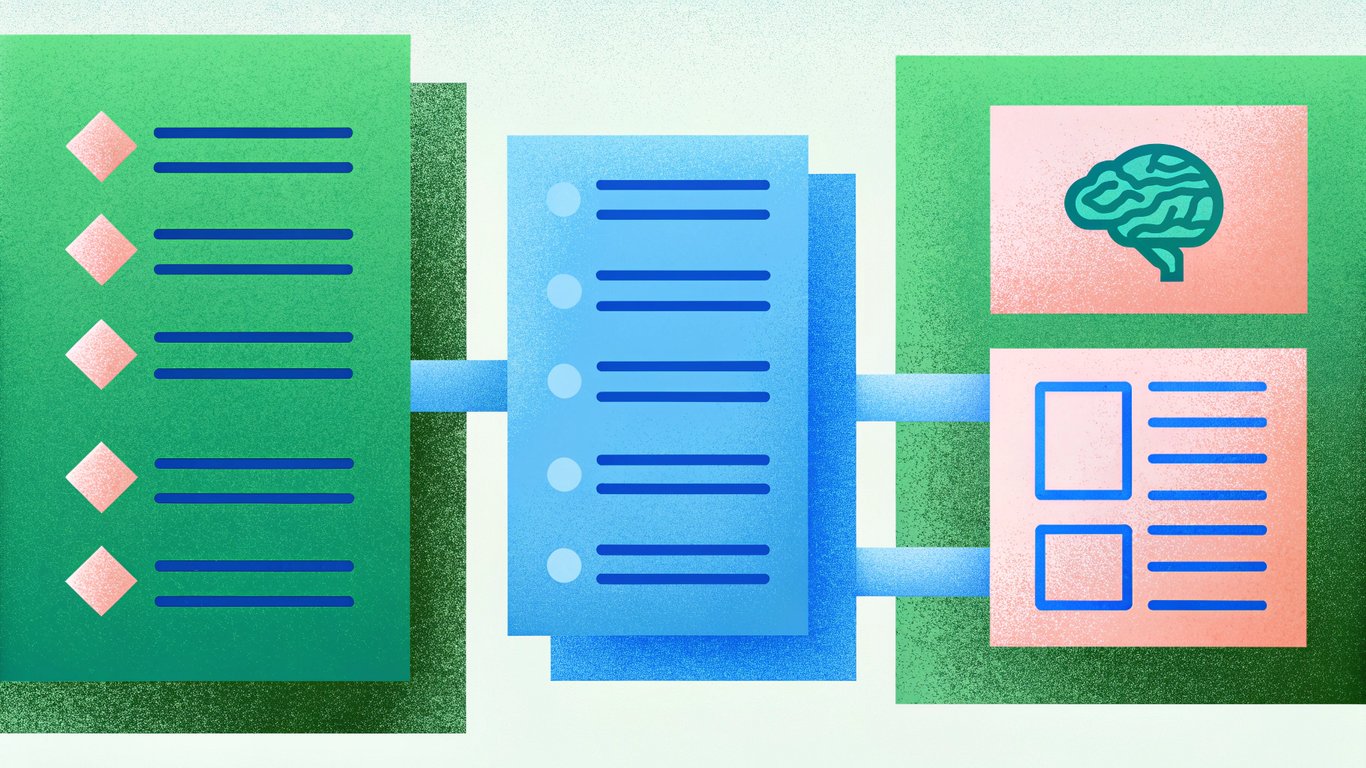
Add a concise summary block at the beginning of longer articles. AI agents and summarization models frequently pick up these blocks as the lead citation. Think of it as an abstract that gives the AI everything it needs in 2-3 sentences.
These snapshots work because they're dense with information but easy to extract. The AI doesn't have to wade through paragraphs to find the key points. You've packaged them neatly at the top.
Implement Scannable Formatting
Lists, tables, and comparison blocks are gold for AI extraction. They present information in structured formats that AI systems can easily parse and cite. When you're explaining a process, use numbered lists. When you're comparing options, use tables.
- Bullet points for features or benefits
- Numbered lists for sequential steps
- Tables for comparisons or data
- Bold text for key terms and definitions
This isn't just about making content pretty. It's about making it machine-readable in a way that preserves meaning and context.
Optimize Content Depth and Clarity
AI systems want comprehensive information, but they also want clarity. Finding that balance is where most content fails. Too shallow and you're not authoritative. Too dense and you're not extractable.
The 'Goldilocks Zone' for Content Length
There's no magic word count, but most AI-cited content falls between 1,500 and 2,500 words. That's enough space to cover a topic thoroughly without overwhelming the parsing algorithms. Shorter pieces often lack depth. Longer pieces often lack focus.
The real metric isn't word count though. It's information density. Can you answer the core question and provide supporting context without unnecessary fluff? That's the zone you're aiming for.
Write in Clear, Declarative Statements

AI systems prefer factual statements over narrative storytelling. Instead of "Many businesses are finding that AI-powered search is changing the game," write "AI-powered search has reduced traditional organic traffic by an average of 25% across major industries." One is vague. The other is citable.
This doesn't mean your writing has to be robotic. You can still have personality. But your core information should be stated clearly and directly, without hedging or unnecessary qualifiers.
Layer Information from Simple to Complex
Start with the basic answer, then add layers of detail. This structure lets AI extract at multiple depth levels depending on the query. A simple question gets the simple answer from your first paragraph. A complex question gets the detailed explanation from your supporting sections.
Think of it like building blocks. The foundation is your direct answer. Each subsequent paragraph adds another layer of context, examples, or technical detail. The AI can stop at whatever level satisfies the user's query.
Eliminate Ambiguity with Precision Language
Vague language kills AI confidence. Phrases like "it depends," "in some cases," or "you might want to consider" don't give the AI anything concrete to cite. When possible, be specific. Use numbers. Name tools. Reference studies.
If you genuinely can't be specific because the answer varies, explain why it varies and what factors determine the outcome. That's still more useful than vague hedging.
Enhance Semantic Signals and Context
AI systems use context clues to determine whether your content is authoritative and relevant. These semantic signals help the AI understand not just what you're saying, but whether you're a credible source to cite.
Use Entity-Rich Content and Proper Nouns
Specific entities signal expertise. Instead of "major search engines," say "Google, Bing, and DuckDuckGo." Instead of "popular AI tools," say "ChatGPT, Claude, and Gemini." These proper nouns help AI systems establish topical authority and understand exactly what you're discussing.
This also helps with disambiguation. If you're writing about "Python," mentioning "programming language" and "Guido van Rossum" makes it clear you're not talking about snakes.
Implement Schema Markup and Structured Data
Schema markup explicitly tells AI systems what your content is about. Article schema, FAQ schema, How-To schema—these structured data types make it easier for AI to categorize and extract your content. It's like adding metadata that says "this is a step-by-step guide" or "this is a product comparison."
Most content management systems have plugins that make schema implementation straightforward. It's technical, but it's not complicated. And the payoff in AI discoverability is significant.
Create Topical Clusters and Internal Linking
Build interconnected content hubs around core topics. If you write about GEO, create supporting articles about AI search, content structure, and semantic optimization. Link them together strategically. This signals comprehensive topic coverage to AI crawlers and increases your overall domain authority.
Build interconnected content hubs around core topics. If you write about GEO, create supporting articles about AI search, content structure, and semantic optimization. Link them together strategically. This signals comprehensive topic coverage to AI crawlers and increases your overall domain authority. Explore our case studies to see examples of successful content strategies.
Include Data, Statistics, and Citable Facts
AI systems prefer content with verifiable data points. When you include statistics, research citations, or specific numbers, you're giving the AI concrete information it can confidently cite. Just make sure your data is accurate and properly sourced.
Even if you don't have original research, citing reputable sources strengthens your content's authority. The AI recognizes that you're building on established knowledge rather than making unsupported claims.
Design for How to Create Engaging Content That AI Recognizes
The best content serves both humans and AI. You don't have to choose between engagement and optimization. You just need to understand how to create engaging content that also meets AI selection criteria.
Craft Compelling Yet Clear Headlines
Your headline needs to be descriptive enough for AI to understand relevance, but interesting enough for humans to care. "5 Ways to Optimize Content for AI Search" works better than "Content Optimization Strategies" (too vague) or "The Ultimate Revolutionary Guide to Dominating AI Search in 2025" (too much fluff).
The sweet spot is specific and benefit-focused. Tell people exactly what they'll learn and why it matters.
Use the 'Answer-Expand-Example' Framework
This structure works beautifully for both audiences. Start with a direct answer (AI loves this). Expand with context and explanation (humans need this). Include a concrete example (both benefit from this).
For instance: "GEO focuses on citation rather than rankings. Unlike traditional SEO, which optimizes for click-through rates, GEO optimizes for being selected as an authoritative source by AI systems. For example, content structured with question-based headers and direct answers gets cited more frequently than narrative-style content."
Incorporate Visual Elements with Descriptive Alt Text
Images, infographics, and charts enhance comprehensiveness signals. But they only help AI discoverability if you include descriptive alt text. Don't write "image1.jpg." Write "comparison table showing GEO tactics versus traditional SEO methods."
The alt text gives AI systems context about your visual content, which contributes to their understanding of your page's overall value and relevance.
Balance Personality with Precision
You can write with personality while maintaining factual clarity. Use conversational language. Include opinions. Just make sure your core information is stated precisely. The personality lives in your transitions, examples, and commentary. The precision lives in your facts and explanations.
Think of it this way: the AI extracts the facts, but humans remember the voice. Both matter.
Build Authority and Trust Signals
AI systems evaluate source credibility before citing content. These trust signals help establish your content as citation-worthy rather than just informative.
Showcase Author Expertise and Credentials
Display author qualifications prominently. If you're writing about marketing, mention your years of experience or relevant certifications. If you're writing about technical topics, reference your background. AI systems look for these expertise signals when determining source reliability.
This doesn't mean you need a PhD to write content. But you should demonstrate some level of firsthand knowledge or experience with the topic.
Include Citations and Reference Authoritative Sources
Citing reputable sources increases your content's perceived reliability. When you reference research, link to the original study. When you mention statistics, cite the source. This shows the AI that you're building on established knowledge rather than making things up.
It also helps readers verify your claims, which builds trust with your human audience too.
Maintain Content Freshness and Update Dates
AI systems favor current information. Display publication and update dates clearly. When information changes, update your content and change the date. This signals that your content reflects the latest knowledge rather than outdated information.
For evergreen topics, periodic updates keep your content relevant. For time-sensitive topics, freshness is critical for AI selection.
Putting It All Together
These tactics work best when implemented systematically. Start by auditing your existing content against these criteria. Which pieces already follow these principles? Which need updates?
Prioritize high-traffic pages and commercially important content first. Those are your quick wins. Then build these principles into your content creation process going forward. Create templates that incorporate question-based headers, direct answers, and structured formatting by default.
Track your results by monitoring when your content appears in AI-generated responses. Search for your key topics in Google AI Mode or ChatGPT. Is your content being cited? If not, revisit these tactics and refine your approach. Explore more resources to deepen your understanding.
The Five Non-Negotiables for AI Discoverability
If you implement nothing else, focus on these five tactics:
- Lead with direct answers in your opening paragraphs
- Use question-based headers that match natural queries
- Structure content with lists and tables for easy extraction
- Include specific entities and data rather than vague statements
- Display clear expertise signals and cite authoritative sources
These five elements form the foundation of AI-discoverable content. Everything else builds on this base.
Staying Ahead as AI Technology Evolves
AI search technology will keep evolving. Google will update Gemini. OpenAI will improve ChatGPT. New platforms will emerge. The specific tactics might shift, but the underlying principles probably won't change much.
AI systems will always favor clarity over complexity. Structure over chaos. Authority over speculation. If you build content around these principles, you'll adapt more easily as the technology evolves.
The businesses that win in AI search won't be the ones chasing every algorithm update. They'll be the ones creating genuinely useful, well-structured content that serves both human readers and AI systems. That's the real future-proofing strategy.