Something fundamental has shifted in how people find information online. Instead of clicking through ten blue links on Google, users are now asking ChatGPT for recommendations, getting instant answers from Perplexity, or reading AI-generated summaries in Google's search results.
This isn't a future trend. It's happening right now.
The implications for brands are massive. If your company doesn't show up in these AI-generated responses, you're essentially invisible to a growing segment of potential customers. Traditional SEO strategies that worked for years are becoming less effective as AI platforms reshape how information gets discovered and consumed.
The Shift from Traditional Search to AI-Powered Answers

Remember when optimizing for Google was enough? Those days are fading fast. Users now interact with multiple AI platforms throughout their day. They ask ChatGPT for product recommendations, use Google Gemini for research, and consult Claude for detailed explanations.
Each platform pulls information from different sources and surfaces brands based on its own criteria. There's no single algorithm to optimize for anymore. The search landscape has fragmented into dozens of AI-powered platforms, each with its own approach to surfacing brand information.
What makes this shift particularly challenging is that users don't always click through to websites anymore. They get their answers directly from the AI, which means traditional metrics like click-through rates and page views don't tell the whole story about your brand's visibility.
What is Brand Recognition in the AI Context
What is brand recognition when it comes to AI systems? It's fundamentally different from traditional search visibility. Brand recognition in AI refers to how frequently and accurately AI platforms mention, recommend, or cite your brand when responding to relevant queries.
It's not just about appearing in search results. It's about being the brand an AI system chooses to reference when answering questions in your industry. When someone asks ChatGPT for software recommendations or Google AI for product comparisons, does your brand make the list?
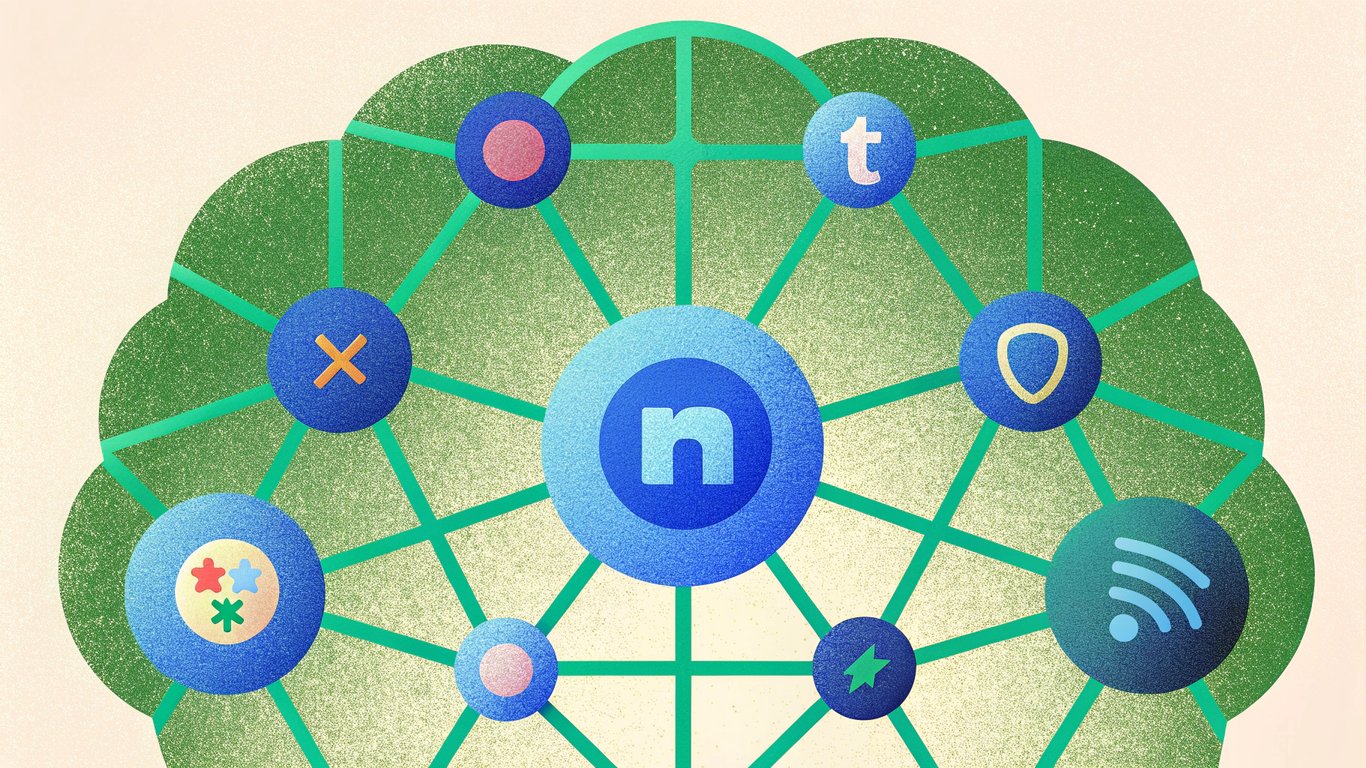
This new form of visibility operates on different principles than traditional SEO. AI systems evaluate brands based on authority signals, consistency across data sources, and the quality of information available about your company. They're looking for patterns that indicate trustworthiness and relevance.
Why AI Visibility Matters for Your Business
The business impact of AI visibility is already measurable. Companies that appear frequently in AI-generated responses are seeing increased brand awareness and consideration, even when users don't click through to their websites.
Think about it from a customer's perspective. If they ask an AI assistant for recommendations and your competitors appear in the response while you don't, you've lost that opportunity before the customer even knows you exist. You're not just losing clicks; you're losing mindshare.
The stakes are particularly high for B2B companies and service providers. When decision-makers use AI tools for research, they're forming opinions about brands based on what these systems tell them. Being absent from those conversations means being absent from consideration sets.
How AI Systems Surface Brand Signals: The Technical Foundation
Understanding how AI systems identify and evaluate brands helps you optimize for visibility. These platforms use sophisticated pattern recognition to detect brand signals across massive datasets.
Pattern Recognition and Brand Signal Detection
AI systems use pattern recognition to identify regularities and recurring structures in data. When it comes to brands, they're looking for consistent mentions, authority indicators, and relevance signals across multiple sources.
These systems analyze how often your brand appears in authoritative contexts, how consistently information about your company is presented, and what associations exist between your brand and specific topics or industries. They're essentially building a profile of your brand based on patterns they detect in their training data and real-time information sources.
The more consistent and authoritative these patterns are, the more likely an AI system is to surface your brand in relevant responses. Inconsistent information or weak authority signals make it harder for AI to confidently recommend or mention your brand.
The Difference Between Mentions and Citations
Here's something many brands miss: there's a critical distinction between being mentioned and being cited. A mention means the AI includes your brand name in its response. A citation means it attributes specific information to your brand and often includes a link to your source.
Citations carry significantly more weight. They indicate that the AI system views your brand as an authoritative source of information, not just another option in a list. Citations drive traffic, build credibility, and establish your brand as a thought leader.
Getting cited requires creating content that AI systems view as citation-worthy. That typically means original research, unique data, expert insights, or comprehensive explanations that other sources reference.
Data Sources AI Systems Use for Brand Information
AI platforms pull brand information from diverse sources. Your website is obviously important, but it's just one piece of the puzzle. These systems also analyze social media profiles, review sites, news articles, industry publications, and structured data from knowledge graphs.
This multi-source approach means you can't just optimize your website and call it done. Your brand needs a consistent presence across the digital ecosystem. Inconsistencies between sources can confuse AI systems and reduce your visibility.
Some platforms also use real-time web scraping to gather current information, while others rely primarily on their training data. Understanding which sources each platform prioritizes helps you focus your optimization efforts.
Authority and Trust Signals AI Systems Prioritize
AI systems look for specific signals that indicate a brand is authoritative and trustworthy. Backlinks from reputable sources still matter, but they're evaluated differently than in traditional SEO. The quality and relevance of linking domains carry more weight than sheer quantity.
Brand consistency across platforms is another major signal. If your brand name, description, and key information are identical across your website, social profiles, and third-party mentions, AI systems gain confidence in that information.
Expert recognition also plays a role. When industry experts, publications, or authoritative sources mention or recommend your brand, AI systems take notice. These endorsements signal that your brand is worth surfacing in responses.
Understanding AI Visibility vs. Traditional SEO
The rise of AI-powered search has introduced a new optimization paradigm. Some call it Generative Engine Optimization or GEO. Whatever you call it, it's different from traditional SEO in fundamental ways.
GEO vs. SEO: Key Differences
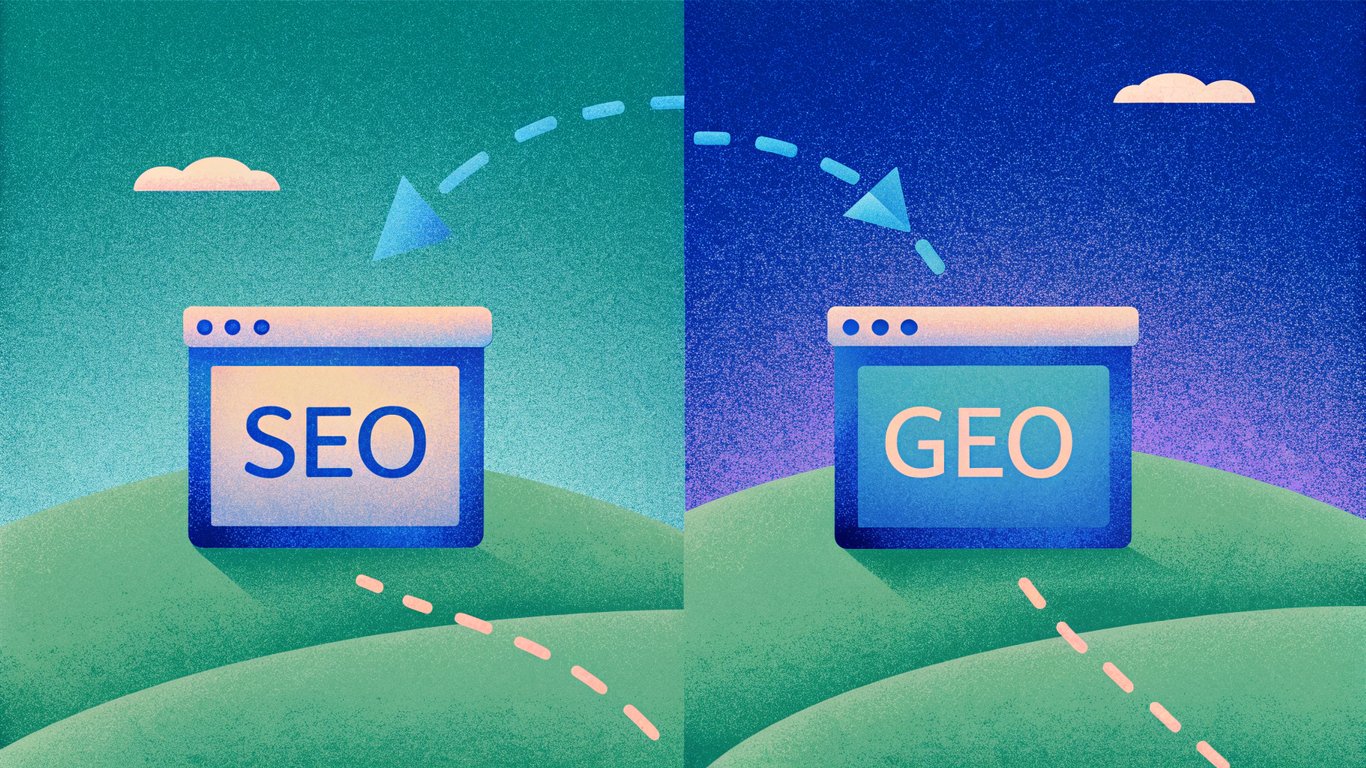
Traditional SEO focuses on ranking for specific keywords and driving clicks to your website. GEO focuses on being mentioned or cited in AI-generated responses, even if users never visit your site.
The content structure that works for SEO doesn't always work for AI visibility. AI systems prefer clear, concise answers and well-structured information. They value content that directly answers questions without requiring users to dig through paragraphs of context.
Success metrics are different too. Instead of tracking rankings and click-through rates, you need to monitor mention frequency, citation rates, and the quality of context in which your brand appears.
The Fragmented AI Search Landscape
You're no longer optimizing for one dominant platform. ChatGPT, Google AI Overview, Perplexity, Claude, and other AI assistants each have their own approaches to surfacing information. What works on one platform might not work on another.
This fragmentation creates both challenges and opportunities. You can't optimize perfectly for every platform, but you can focus on the fundamentals that work across most AI systems: authoritative content, consistent brand information, and strong signals of expertise.
Measuring AI Visibility: New Metrics That Matter
Tracking AI visibility requires new measurement approaches. You need to monitor how often your brand appears in AI responses for relevant queries, whether those mentions include citations, and what context surrounds your brand name.
Some companies manually test queries across different AI platforms to see where they appear. Others use monitoring tools to track brand mentions in AI outputs. The key is establishing a baseline and tracking changes over time as you implement optimization strategies.
Practical Tactics to Improve Brand Recognition in AI Outputs
Let's get into actionable strategies you can implement to boost your brand's visibility in AI systems. These tactics work across most platforms and provide a solid foundation for AI optimization.
Content Optimization for AI Systems
Structure your content to make it easy for AI systems to extract and understand information. Use clear headings, concise paragraphs, and direct answers to common questions. FAQ sections work particularly well because they match how users query AI systems.
Include specific facts, data points, and examples that AI systems can cite. Vague or generic content is less likely to be referenced. The more concrete and unique your information, the more citation-worthy it becomes.
Format matters too. Bullet points, numbered lists, and tables help AI systems parse information quickly. These formats also make it easier for AI to extract specific details when generating responses.
Building Brand Authority Across Digital Touchpoints
Your brand needs a consistent presence across multiple platforms. Maintain active profiles on relevant social media channels, contribute to industry publications, and engage with review sites where your customers hang out.
Each touchpoint reinforces your brand's authority in the eyes of AI systems. When they see consistent information about your brand across diverse sources, they gain confidence in surfacing your brand in responses.
Leveraging Structured Data and Schema Markup
Implement schema markup on your website to help AI systems understand and categorize your brand information. Organization schema, product schema, and FAQ schema are particularly valuable.
Structured data provides clear signals about what your company does, what products you offer, and what information is most important. It removes ambiguity and makes it easier for AI systems to accurately represent your brand.
Creating Citation-Worthy Content
Focus on producing original research, proprietary data, and expert insights that other sources will reference. Case studies, industry reports, and data-driven analyses are more likely to earn citations than generic content.
Think about what information only your brand can provide. That unique perspective or data is what makes your content citation-worthy. AI systems prioritize sources that offer something distinctive rather than rehashing existing information.
Optimizing Brand Mentions and Entity Recognition
Use your brand name consistently across all platforms. Variations and inconsistencies confuse AI systems and dilute your brand signals. If your company is known by multiple names or abbreviations, establish one primary version and use it everywhere.
Build your presence in knowledge graphs like Wikidata and ensure your information is accurate. These structured knowledge bases are important sources for AI systems.
Monitoring and Correcting AI-Generated Brand Information
Regularly test how AI platforms represent your brand. Ask relevant questions across different AI systems and see what they say about your company. You might be surprised by inaccuracies or outdated information.
When you find errors, work to correct them at the source. Update your website, reach out to sites with incorrect information, and ensure your official channels have accurate, current details. AI systems will eventually pick up these corrections as they update their data.
Advanced Strategies for AI Brand Visibility
Once you've implemented the basics, these advanced strategies can further enhance your brand's AI visibility.
Building Topical Authority in Your Niche
Become the go-to source for specific topics in your industry. This requires consistently publishing high-quality content on related subjects and building a comprehensive knowledge base around your area of expertise.
AI systems recognize topical authority. When they see your brand consistently associated with specific subjects across multiple sources, they're more likely to reference you when those topics come up.
Strategic Partnerships and Co-Citations
Collaborate with authoritative sources in your industry. Guest posts on respected publications, partnerships with established brands, and co-authored research all create valuable co-citation opportunities.
When your brand appears alongside recognized authorities, AI systems infer that you're also authoritative. These associations strengthen your brand signals.
Creating an AI-First Content Strategy
Restructure your content creation process to prioritize AI discoverability alongside traditional SEO. This means thinking about how AI systems will interpret and use your content, not just how it will rank in search results.
Consider creating content specifically designed to answer the types of questions users ask AI assistants. These conversational queries often differ from traditional search queries.
Common Challenges and How to Overcome Them
Optimizing for AI visibility comes with unique challenges. Here's how to address the most common obstacles.
Dealing with AI Hallucinations and Misinformation
AI systems sometimes generate false information about brands. When this happens, focus on strengthening accurate information at the source. Update your website, correct third-party listings, and ensure authoritative sources have correct details.
You can't directly control what AI systems say, but you can influence the information they draw from. The more consistent and authoritative your correct information is, the less likely AI systems are to generate inaccuracies.
Competing with Established Brands in AI Responses
Smaller brands face an uphill battle against established names that dominate AI responses. Focus on niche topics where you can build authority. Instead of competing head-to-head with industry giants, carve out specific areas where your expertise shines.
Create highly specific, detailed content that addresses questions the big players overlook. AI systems will surface your brand when your content best matches the query, even if you're not the biggest name in your industry.
Resource Constraints and Prioritization
You probably can't optimize for every AI platform simultaneously. Start with the platforms your target audience uses most. Focus on foundational improvements that work across multiple systems rather than platform-specific tactics.
Prioritize high-impact activities like ensuring brand consistency, creating citation-worthy content, and building topical authority. These strategies provide long-term value regardless of how individual AI platforms evolve.
The Future of Brand Recognition in AI Systems
AI-powered search is still evolving rapidly. Understanding where things are headed helps you prepare for what's coming.
Emerging AI Platforms and What They Mean for Brands
New AI search platforms launch regularly, each with its own approach to surfacing information. The landscape will likely remain fragmented for the foreseeable future, with multiple platforms competing for user attention.
This fragmentation means brands need flexible strategies that work across platforms rather than optimization tactics tied to specific systems. Focus on fundamentals that translate across different AI approaches.
Preparing Your Brand for an AI-First Future
Build a sustainable approach to AI visibility by focusing on creating genuinely valuable content, maintaining consistent brand information, and establishing real expertise in your field. These fundamentals will remain important regardless of how AI systems evolve.
Stay informed about changes in major AI platforms, but don't chase every new development. Solid fundamentals will serve you better than constantly pivoting to the latest trend.
Action Plan: Getting Started Today
Start by auditing your current AI visibility. Test relevant queries across major AI platforms and document how your brand appears. This baseline helps you measure progress.
Next, ensure brand consistency across all your digital properties. Update any outdated or inconsistent information. Then focus on creating high-quality, citation-worthy content that demonstrates your expertise.
AI visibility isn't built overnight. It requires consistent effort over time. But brands that start now will have a significant advantage as AI-powered search continues to grow. The question isn't whether to optimize for AI visibility, but how quickly you can get started.