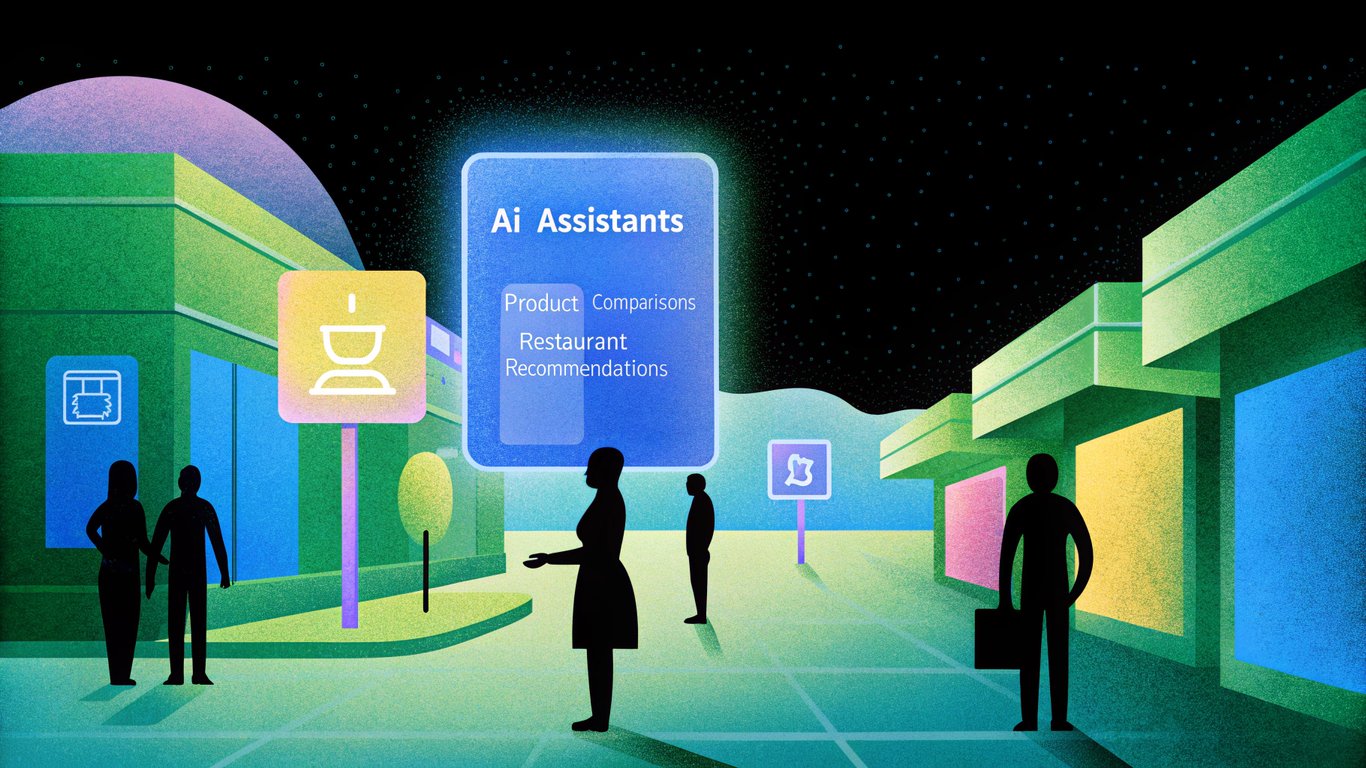
Marketing isn't what it used to be. People aren't just typing keywords into Google anymore. They're asking ChatGPT for restaurant recommendations, consulting Perplexity about product comparisons, and letting AI assistants guide their purchasing decisions.
This shift represents something bigger than just a new search interface. We're watching consumer behavior fundamentally change in real-time.
The Changing Landscape of Consumer Discovery
Traditional search engines still matter, but they're no longer the only game in town. Consumers increasingly turn to AI assistants for discovery because these tools understand context, remember previous conversations, and provide synthesized answers rather than just links.
Think about how you search now versus five years ago. You probably ask longer, more conversational questions. You expect direct answers. You want recommendations tailored to your specific situation, not generic results.
That's AI-mediated discovery in action.
Why Brands Must Adapt Now
Brands that don't optimize for AI platforms risk becoming invisible to entire segments of their audience. When someone asks an AI assistant for product recommendations and your brand doesn't appear, you've lost that customer before they even knew you existed.
Recent research shows that AI-driven marketing significantly improves brand experience and customer choice, leading to stronger repurchase intentions. Companies that integrate AI into their marketing workflows see enhanced personalization, better ROI, and the ability to scale campaigns that would've been impossible manually.
What Is AI-Driven Marketing? Core Definition and Components
Defining AI-Driven Marketing
So what is AI-driven marketing exactly? It's the integration of artificial intelligence technologies into marketing workflows to enhance, automate, and intelligently optimize campaigns. But that definition doesn't capture the full picture.
AI-driven marketing means using machine learning algorithms to analyze customer data, predict behavior, personalize content, and optimize campaigns in real-time. It's about letting AI handle the heavy lifting of data analysis while marketers focus on strategy and creativity.
The key difference? Scale and speed. AI can process millions of data points instantly and adjust campaigns on the fly based on performance. Humans can't do that.
Key Technologies Behind AI-Driven Marketing
Several core technologies power modern AI marketing:
- Machine learning analyzes patterns in customer data to predict future behavior and optimize targeting
- Natural language processing enables chatbots, content analysis, and understanding of customer sentiment
- Predictive analytics forecasts trends and customer actions based on historical data
- Generative AI creates content, designs, and personalized messaging at scale
These technologies work together. A campaign might use machine learning to identify high-value customer segments, natural language processing to craft personalized messages, and predictive analytics to determine the best time to send them.
AI-Driven Marketing vs. Traditional Digital Marketing
| Aspect | Traditional Marketing | AI-Driven Marketing |
|---|---|---|
| Personalization | Segment-based (broad groups) | Individual-level (one-to-one) |
| Data Processing | Manual analysis, limited scale | Automated, processes millions of data points |
| Campaign Optimization | Periodic adjustments based on reports | Real-time optimization based on performance |
| Customer Insights | Historical reporting | Predictive modeling and forecasting |
| Content Creation | Manual creation and testing | AI-assisted generation and dynamic optimization |
The Role of AI in Customer Journey Mapping
AI tracks customer behavior across every touchpoint, from initial awareness through post-purchase engagement. It identifies patterns humans might miss and predicts what customers will do next.
This creates seamless experiences. When a customer abandons their cart, AI determines the optimal time and message to bring them back. When someone browses specific products, AI adjusts the homepage content they see next time.
How AI-Driven Marketing Works: The Mechanics
Data Collection and Analysis
AI systems gather data from everywhere: website visits, email opens, social media interactions, purchase history, customer service conversations. They process this information in real-time, identifying patterns and correlations that inform marketing decisions.
The volume matters here. Traditional analytics might sample data or focus on specific metrics. AI analyzes everything simultaneously, finding connections between seemingly unrelated behaviors.
Predictive Consumer Behavior Modeling
By analyzing historical data, AI-driven models can forecast trends, segment audiences dynamically, and optimize marketing strategies in real-time. This isn't guesswork. It's statistical modeling based on actual customer behavior.
AI might predict which customers are likely to churn, which prospects are ready to buy, or which products will trend next season. Marketers can then act on these predictions before competitors even notice the patterns.
Real-Time Campaign Optimization
Traditional campaigns run for weeks or months before marketers analyze results and make adjustments. AI optimizes continuously. If an ad isn't performing, AI shifts budget to better-performing variants within hours. If a particular message resonates with a segment, AI automatically scales it.
This creates a feedback loop where campaigns improve constantly without manual intervention.
Personalization at Scale
Here's where AI really shines. It enables individualized content, recommendations, and messaging for millions of customers simultaneously. Each person sees different product suggestions, email subject lines, website layouts, and ad creative based on their specific behavior and preferences.
Brands now employ AI-powered personalization tools, such as chatbots and recommendation systems, to engage customers in a more individualized manner. This level of personalization was impossible before AI because it would've required armies of marketers manually crafting messages.
Understanding AI-Mediated Discovery: The New Search Paradigm
What Is AI-Mediated Discovery?

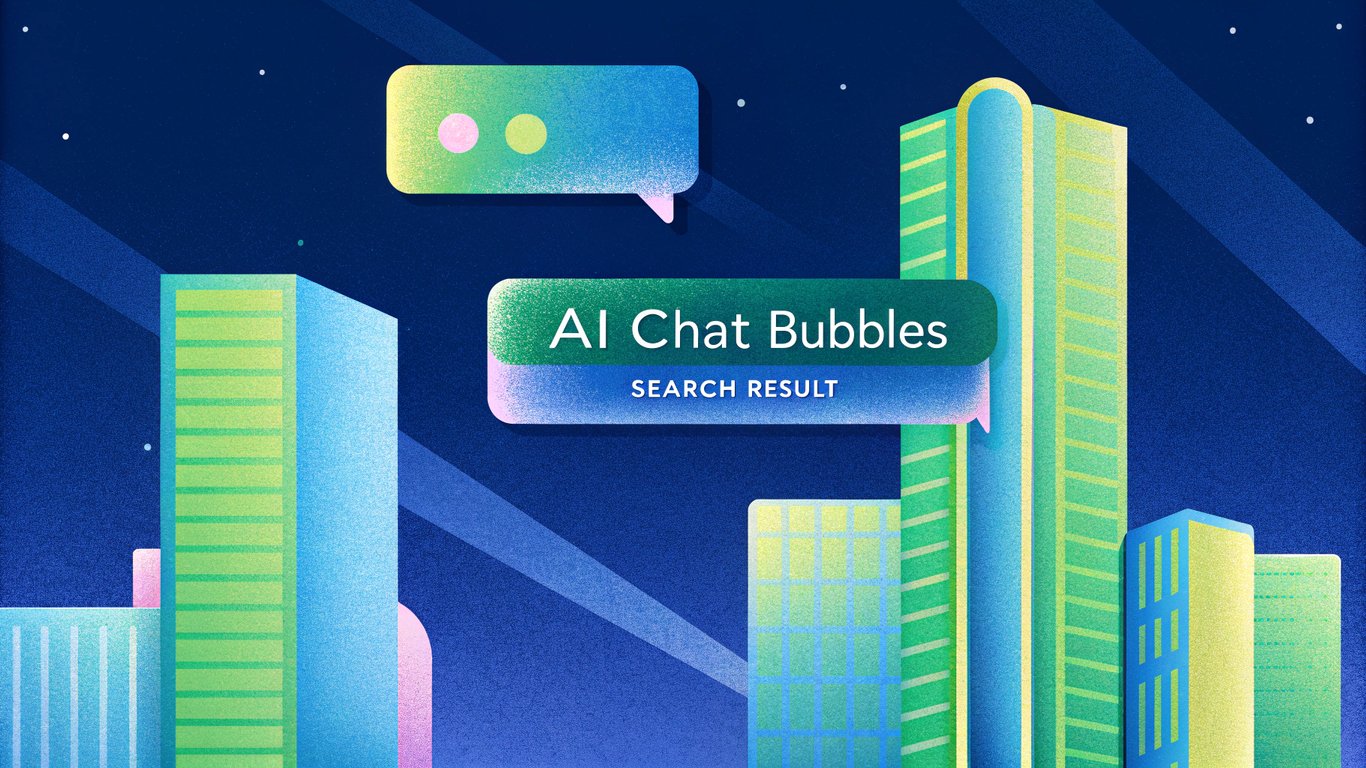
AI-mediated discovery is the process where AI systems curate and recommend content to users based on conversational queries. Instead of showing ten blue links, these platforms synthesize information from multiple sources and provide direct answers with citations.
When someone asks ChatGPT about the best project management software, the AI doesn't just list options. It considers the user's context, asks clarifying questions, and provides tailored recommendations with explanations.
How AI Search Platforms Differ from Traditional Search Engines
Traditional search engines match keywords to indexed pages. AI platforms understand intent, context, and nuance. They can handle complex, multi-part questions and remember previous parts of the conversation.
More importantly, AI platforms synthesize information rather than just linking to it. They read multiple sources, extract key points, and present a coherent answer. Your brand needs to be in those sources.
The Importance of Being AI-Discoverable
If AI platforms can't find, understand, and recommend your content, you're invisible to users who rely on these tools. That's an increasingly large portion of your potential audience.
Being AI-discoverable means creating content that AI systems can easily parse, verify, and cite. It means building authority through consistent, accurate information across platforms. It means optimizing for how AI evaluates and ranks sources.
Key AI Platforms Brands Should Target
Several platforms dominate AI-mediated discovery:
- ChatGPT handles conversational queries and provides detailed, contextual answers
- Google AI Overviews synthesizes information at the top of search results
- Perplexity focuses on research-style queries with cited sources
- Claude offers detailed analysis and recommendations
Each platform has different strengths, but they all prioritize authoritative, well-structured content from credible sources.
How to Adapt Your Marketing Campaigns for AI-Mediated Discovery
Create Authoritative, Structured Content
AI systems prefer content they can easily parse and verify. Use clear hierarchies with descriptive headings. Implement schema markup to help AI understand your content structure. Focus on factual accuracy because AI platforms cross-reference information across sources.
Write comprehensive answers to specific questions. Don't just scratch the surface. AI platforms favor depth and expertise over superficial coverage.
Optimize for Conversational Queries
People ask AI assistants questions differently than they type into search engines. They use natural language, provide context, and expect nuanced answers.
Create content that addresses these conversational queries. Instead of targeting "best CRM software," address "what CRM software works best for small marketing agencies with remote teams?" The specificity matters.
Build Brand Authority and Digital Presence
AI platforms evaluate source credibility. They look at backlinks, citations, reviews, and consistency of information across the web. Build authority by:
- Earning mentions and links from reputable sources
- Maintaining consistent NAP (name, address, phone) information everywhere
- Collecting and responding to customer reviews
- Publishing expert content regularly
- Getting cited by industry publications
Leverage First-Party Data and AI Tools
Collect customer data ethically through your website, email campaigns, and customer interactions. Use AI marketing platforms to analyze this data and identify patterns. Tools like Salesforce Einstein or HubSpot's AI features can help you understand customer behavior and optimize campaigns.
First-party data gives you insights competitors don't have. AI helps you act on those insights at scale.
Implement AI-Powered Personalization
Deploy recommendation engines on your website. Use dynamic content that changes based on user behavior. Personalize email campaigns beyond just inserting first names. Show different homepage layouts to different customer segments.
Start small. Test personalized product recommendations on your highest-traffic pages. Measure results. Expand what works.
Test and Optimize with AI Analytics
Use AI-driven analytics tools to continuously monitor performance. These platforms identify trends before they're obvious in traditional reports. They suggest optimizations based on predictive modeling rather than just historical data.
Set up automated alerts for significant changes in customer behavior or campaign performance. Let AI flag issues so you can address them quickly.
Create Multi-Format Content for AI Consumption
AI platforms access different content types. Create text articles, videos with transcripts, podcasts with show notes, and structured data. The more formats you cover, the more opportunities AI has to discover and recommend your content.
Make sure all formats are properly tagged and described so AI can understand what they contain.
Benefits and Challenges of AI-Driven Marketing
Key Benefits for Brands
The advantages are substantial. Enhanced personalization creates better customer experiences. Improved ROI comes from optimizing campaigns in real-time rather than waiting for monthly reports. Scalability means running sophisticated campaigns that would've required massive teams.
You also get better customer insights. AI identifies patterns and segments you wouldn't notice manually. It predicts behavior with increasing accuracy as it processes more data.
Efficiency improves dramatically. Marketers spend less time on repetitive tasks and more time on strategy and creativity.
Common Challenges and How to Overcome Them
Data privacy concerns are real. Customers worry about how brands use their information. Address this through transparency, clear opt-in processes, and strict data security measures.
Implementation costs can be high initially. Start with specific use cases that offer clear ROI rather than trying to transform everything at once. Skill gaps exist because AI marketing requires new expertise. Invest in training or hire specialists.
Algorithm transparency remains an issue. You don't always know why AI makes certain decisions. Maintain human oversight and don't blindly trust AI recommendations.
Measuring Success in AI-Driven Campaigns
Track traditional metrics like conversion rates and ROI, but also monitor AI-specific indicators. Measure personalization effectiveness by comparing personalized versus non-personalized experiences. Track prediction accuracy to ensure your models improve over time.
Monitor your visibility in AI platforms. Are you being cited and recommended? Track brand mentions in AI-generated responses.
The Future of AI-Driven Marketing and Next Steps
Getting Started: A Roadmap for Brands
Start by auditing your current capabilities. What data do you collect? What tools do you use? Where are the gaps? Identify quick wins like implementing basic personalization or using AI for email send time optimization.
Invest in tools and training. You don't need enterprise-level platforms immediately. Many AI marketing tools offer affordable entry points. Run pilot programs to test approaches before scaling.
Focus on one area first. Maybe it's personalizing your website experience or optimizing ad targeting. Master that before expanding to other areas.
Essential Tools and Platforms
Several platforms can help you get started:
- HubSpot offers AI-powered marketing automation and analytics
- Salesforce Einstein provides predictive analytics and personalization
- Google Analytics includes AI-driven insights and predictions
- Optimizely uses AI for experimentation and personalization
Choose tools that integrate with your existing systems and match your technical capabilities.
Embracing the AI-Driven Future
AI-driven marketing isn't optional anymore. It's becoming the baseline expectation. Brands that adapt now gain competitive advantages. Those that wait risk falling behind as AI platforms increasingly mediate customer discovery.
The technology will keep evolving. AI will get better at understanding context, predicting behavior, and personalizing experiences. Your job is to stay current, experiment continuously, and focus on using AI to create genuine value for customers.
Start small, measure results, and scale what works. That's how you build an AI-driven marketing strategy that actually delivers.